If your business has been told it needs to comply with “NZS 4503,” you’re probably asking what is NZS 4503, exactly. It’s the fire equipment inspection standard behind the regular testing and inspection of fire extinguishers, fire hose reels, and fire blankets, setting out how this equipment should be checked, maintained, and documented so it works when it’s actually needed. This guide breaks down what the standard covers, who it applies to, and what compliance looks like in practice.
What Is NZS 4503:2005?
NZS 4503:2005 is the New Zealand standard for hand-operated fire-fighting equipment. In short, it’s the fire safety equipment testing standard New Zealand businesses use to keep fire extinguishers, fire hose reels, and fire blankets ready for use. It sets out the inspection, testing, and maintenance requirements for the portable and semi-portable fire equipment found in most workplaces.
Unlike a one-off installation check, the standard is concerned with ongoing, in-service maintenance: making sure equipment that’s been sitting on a wall bracket for the past twelve months is still in working order, correctly pressurised, and ready to be used in an emergency.
What Equipment Does the Standard Cover?
NZS 4503:2005 applies to the main categories of hand-operated fire-fighting equipment used across New Zealand workplaces:
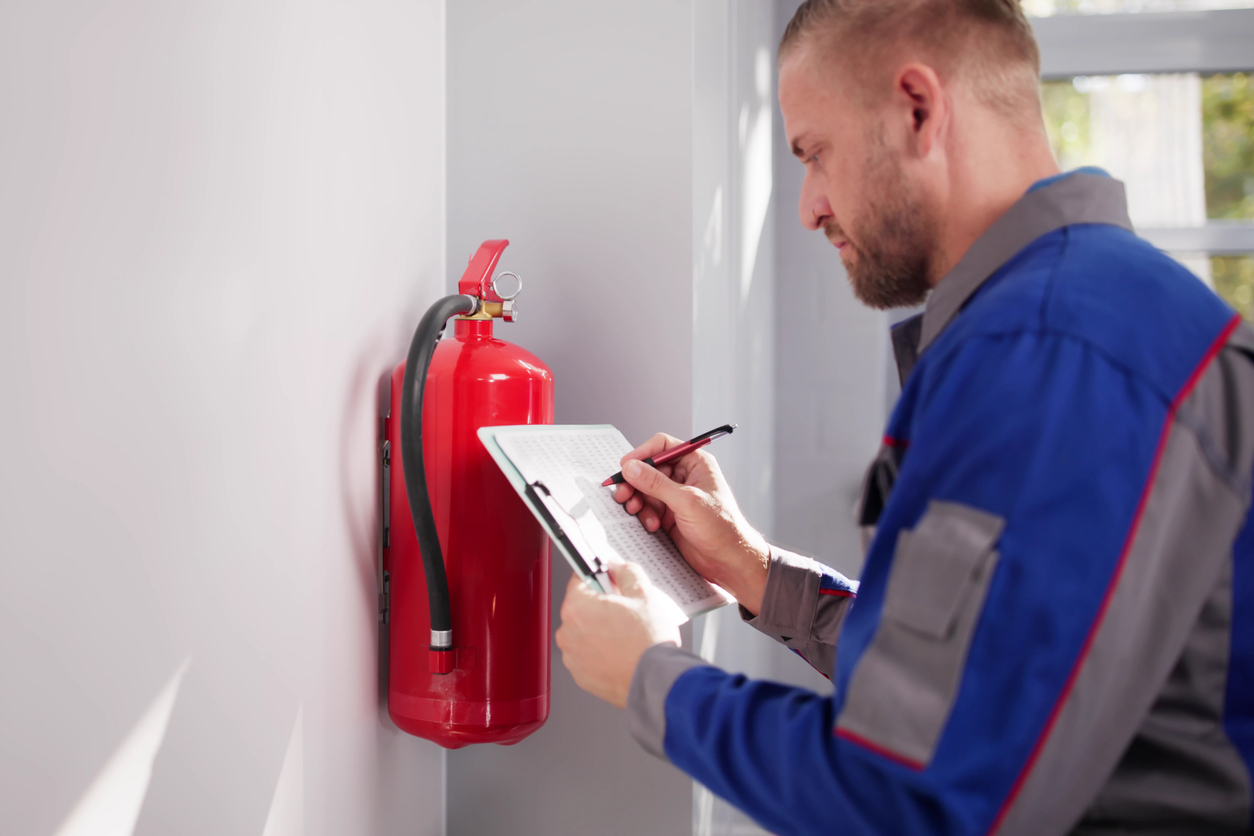
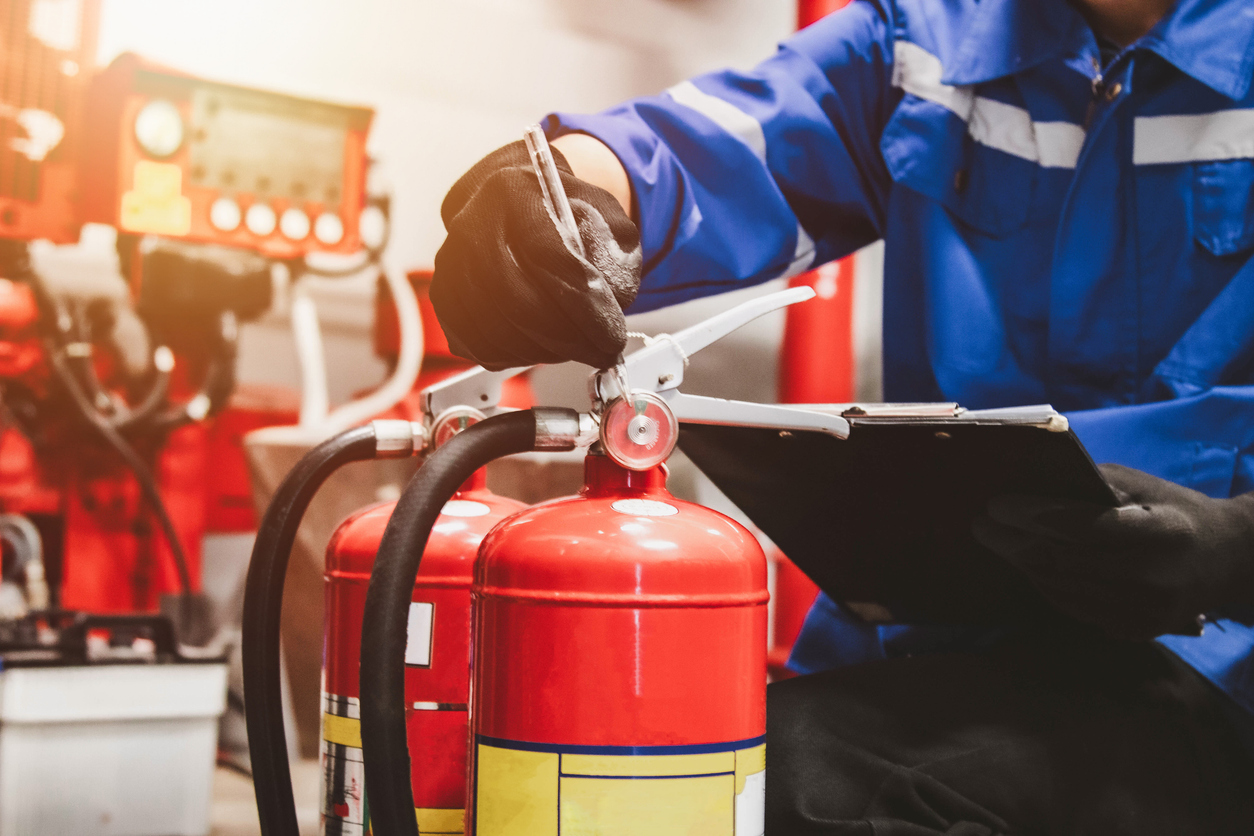
Fire extinguishers, including water, foam, CO2, and dry powder types, each with slightly different checks depending on the extinguishing agent and pressure mechanism. These checks follow the fire extinguisher testing standard NZ workplaces are expected to meet.
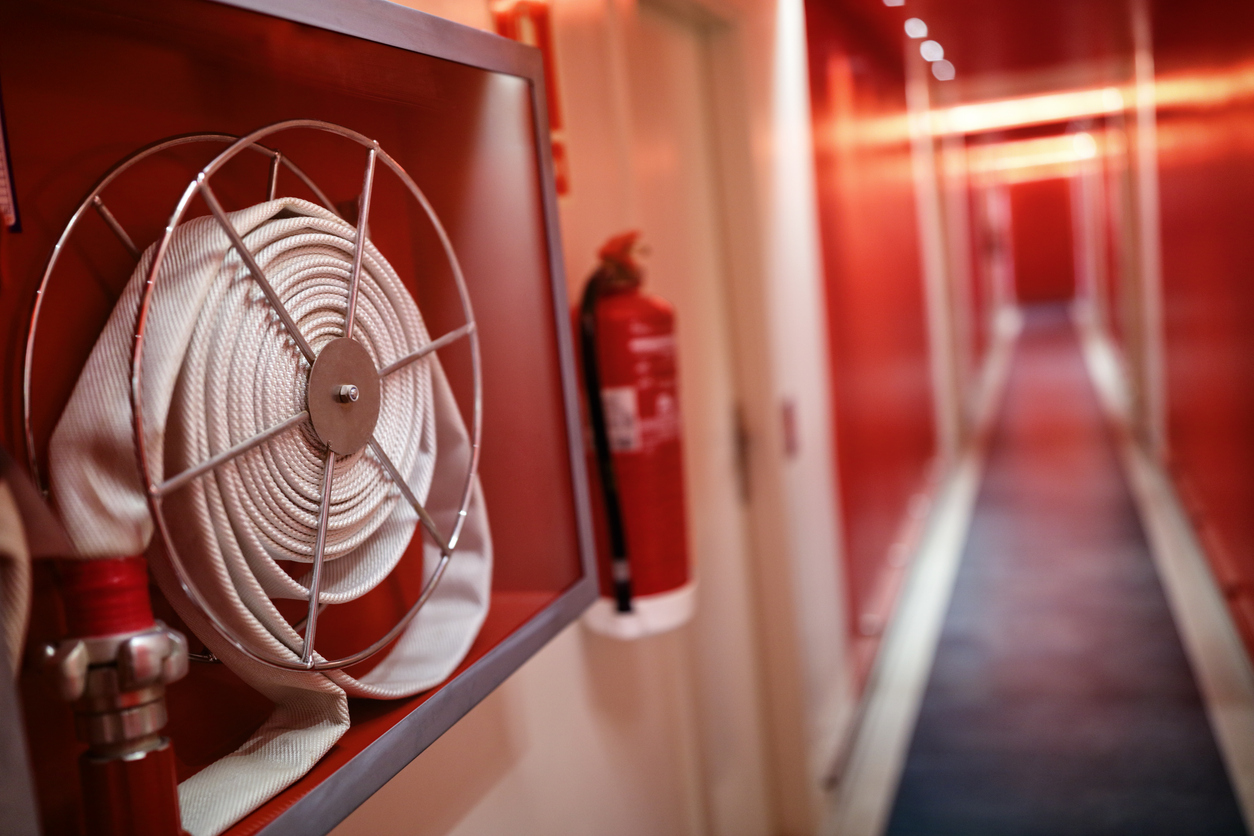
Fire hose reels, including the hose itself, the reel mechanism, and the water supply and pressure behind it.
Fire blankets, checked for correct storage, an intact and undamaged pouch, and readiness for immediate use.
Each equipment type has its own specific checks under the standard, but all of them share the same underlying purpose: confirming the equipment will function correctly if it’s ever called on.
Who Needs to Comply with NZS 4503:2005?
Under the Health and Safety at Work Act 2015, every business is a PCBU (a Person Conducting a Business or Undertaking) with a duty to manage risks to health and safety, and that includes making sure fire safety equipment is fit for purpose. Meeting NZS 4503 compliance requirements is the practical way PCBUs demonstrate that duty is being met for hand-operated fire equipment specifically.
In practice, this applies broadly across offices, retail stores, hospitality venues, manufacturing facilities, construction sites, healthcare facilities, and warehouses. Many insurance policies and landlord or building compliance obligations also expect current, documented proof that fire equipment meets the fire safety equipment testing standard New Zealand insurers and landlords rely on, alongside the broader electrical compliance requirements a workplace carries.
How Often Does Fire Equipment Need to Be Tested?
Testing intervals vary depending on the type of equipment and the environment it’s kept in, but an annual inspection is the common baseline most New Zealand workplaces work to under NZS 4503:2005. Higher-risk environments, or equipment exposed to weather, dust, or heavy handling, may warrant more frequent checks.
Your CPM technician will confirm the right interval for each piece of equipment on your premises as part of the inspection itself, so you’re never left guessing when the next check is due.
What Happens During an NZS 4503 Inspection?
A typical inspection under the fire equipment inspection standard involves a technician working through each item on-site. Extinguishers are checked for correct pressure, an intact pin and tamper seal, clear signage, and appropriate mounting. Hose reels are checked for hose condition, reel operation, and water supply. Fire blankets are checked for correct storage and an undamaged, ready-to-use pouch.
Once checked, each item is tagged with the inspection date and next due date, and the results are recorded in a compliance report for your records. Equipment that doesn’t pass is flagged so it can be serviced or replaced before it’s relied on in an emergency.
Why Compliance Matters
Fire equipment sits unused for most of its life, which is exactly why regular testing matters: the one time it’s needed is not the moment to discover an extinguisher has lost pressure or a hose reel won’t unwind. Beyond the obvious safety risk, under the Health and Safety at Work Act 2015, PCBUs can face real liability if fire equipment hasn’t been properly maintained and an incident occurs. Insurers and building compliance assessments also frequently check that NZS 4503 compliance requirements have been met when assessing claims or renewals.
Treated properly, fire equipment testing is a straightforward, low-disruption way to make sure the equipment protecting your people and premises actually works when it counts.
For a fuller picture of your obligations across both fire and electrical safety, see our guide to electrical and fire safety compliance obligations.
How CPM Test n Tag and Fire Safety Can Help
CPM Test n Tag and Fire Safety is one of the few providers in New Zealand offering genuine dual expertise in both fire safety compliance and electrical testing, so your fire extinguishers, hose reels, and blankets can be tested by the same trusted provider handling your AS/NZS 3760 electrical testing, rather than coordinating two separate contractors and two separate schedules.
We were founded and are led by industry veterans with decades of combined experience across electrical safety, franchise operations, and business management, and that same thoroughness carries through to how we approach fire equipment testing across Auckland North, Waikato, Bay of Plenty, and Manawatū–Whanganui.
If you’re due for testing, or you’re not sure what condition your fire equipment is in, get in touch with CPM Test n Tag and Fire Safety for a free quote and we’ll talk you through what’s needed for your premises.
Frequently Asked Questions
Is NZS 4503 a legal requirement in New Zealand?
NZS 4503 itself is a standard rather than legislation, but it’s the recognised, practical way businesses demonstrate compliance with their broader fire safety duties under the Health and Safety at Work Act 2015, and it’s widely expected by insurers and building compliance requirements.
What’s the difference between fire extinguisher testing and fire hose reel testing?
Both fall under NZS 4503:2005, but they involve different checks. Fire extinguisher testing standard NZ requirements cover pressure, seals, and mounting for portable extinguishers, while fire hose reel testing covers the hose, reel mechanism, and water supply for fixed hose reel systems.
How often should fire extinguishers be tested?
An annual inspection is the common baseline under NZS 4503:2005, though the right interval depends on the extinguisher type and the environment it’s kept in. Your technician will confirm the correct interval for your equipment during inspection.
What happens if fire equipment fails inspection?
Equipment that fails is flagged as unsafe to rely on and should be serviced or replaced before it’s put back into service. Documenting this clearly is part of keeping your compliance records accurate and up to date.