If you’ve been told your workplace needs to comply with “AS/NZS 3760,” you’re not alone in asking what is AS/NZS 3760, exactly. It’s the test and tag standard NZ businesses rely on, and it sets out how electrical equipment in New Zealand workplaces should be inspected, tested, and documented to keep people safe. This guide breaks down what the standard actually covers, who it applies to, and what compliance looks like in practice.
What Is AS/NZS 3760:2022?
AS/NZS 3760:2022 covers a broad range of electrical equipment that’s plugged in and used in the course of business, from computers and kitchen appliances to power tools, extension leads, and portable RCDs (safety switches). It sets out two main components of a compliant check:
A visual inspection, where a technician examines the equipment, cord, and plug for visible damage such as fraying, cracking, or exposed wiring.
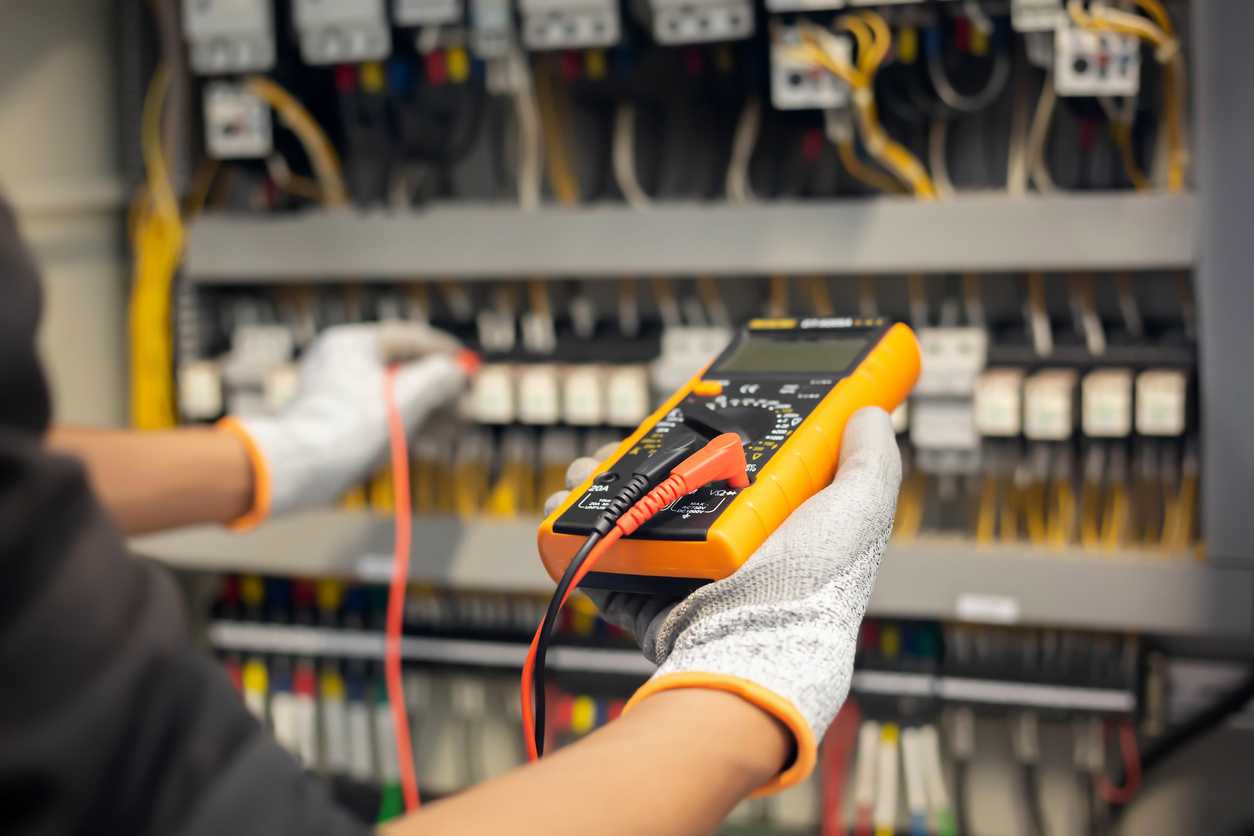
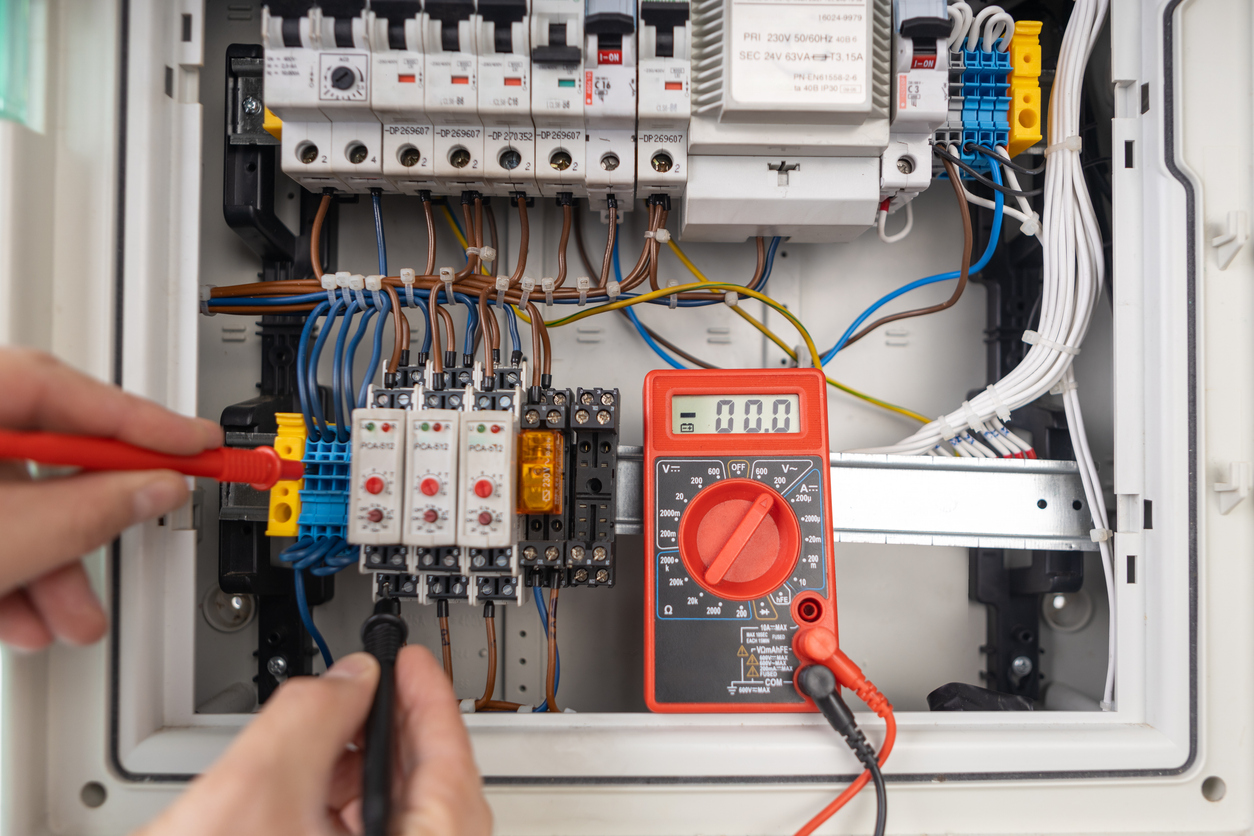
An electrical test, using calibrated testing equipment to check things like earth continuity, insulation resistance, and polarity, depending on the equipment’s classification.
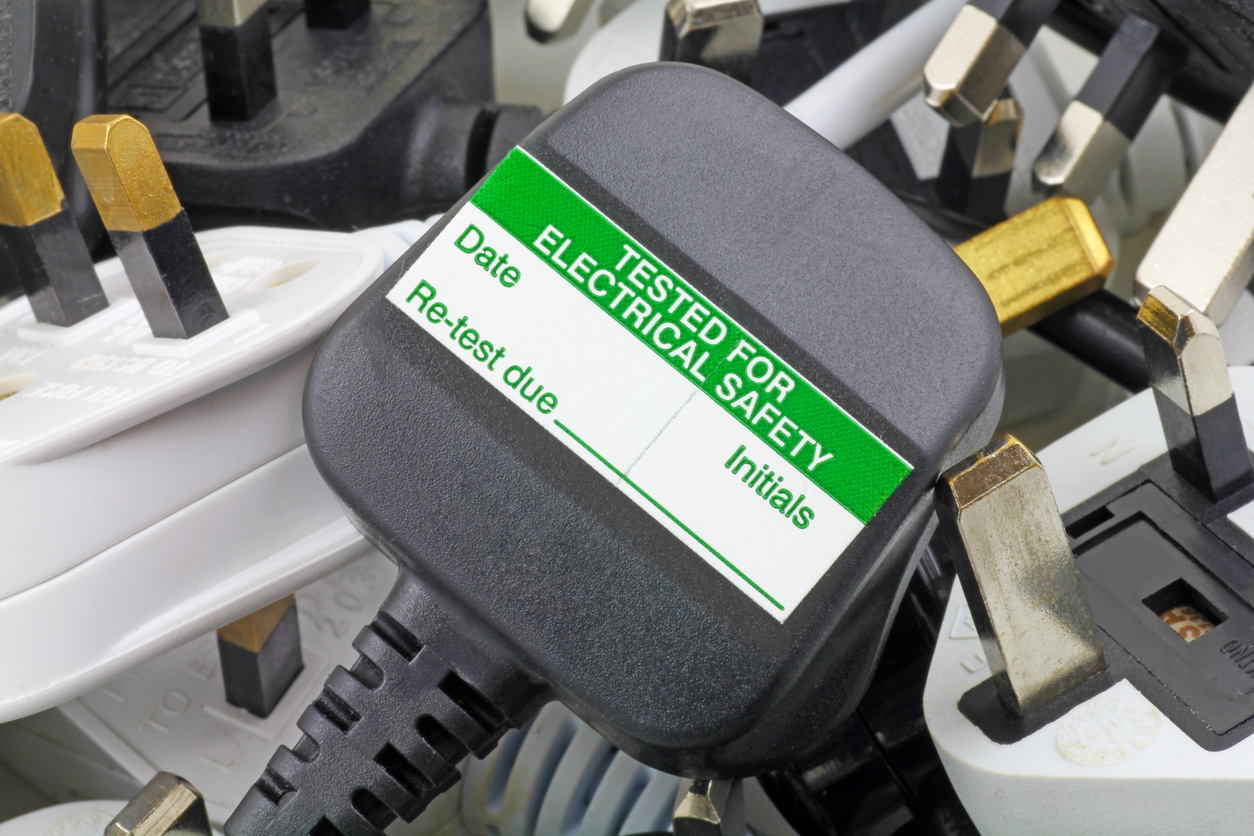
Once equipment passes, it’s tagged with the test date, the next due date, and the technician’s details, and the result is recorded for compliance documentation. Equipment that fails is tagged as unsafe for use and should be withdrawn from service until it’s repaired or replaced.
Who Needs to Comply with AS/NZS 3760:2022?
Under the Health and Safety at Work Act 2015, every business is a PCBU (a Person Conducting a Business or Undertaking) with a duty to manage risks to health and safety, including electrical risks. Meeting AS/NZS 3760 compliance requirements is the practical way PCBUs demonstrate that duty is being met for electrical equipment specifically.
In practice, this means the standard applies broadly: offices, retail stores, hospitality venues, manufacturing facilities, construction and demolition sites, healthcare facilities, and warehouses all rely on it to keep staff, customers, and visitors safe from electrical hazards. Many insurance policies and client contracts also require evidence of meeting the test and tag standard NZ insurers and clients expect, making it a practical business requirement as well as a safety one.
How Often Does Equipment Need to Be Tested?
Testing frequency isn’t one-size-fits-all. It depends on the environment the equipment is used in and how much wear and tear it’s likely to experience. Equipment in a harsh environment, such as a construction site or workshop, generally needs testing more often than equipment in a low-risk office setting.
Working out the right interval for your workplace is a common source of confusion, so we’ve covered it in detail separately, including a breakdown by environment type: [how often your equipment needs testing].
What Happens During an AS/NZS 3760 Test?
A typical AS/NZS 3760 testing and tagging visit starts with a technician working through your equipment item by item. Each piece is visually checked, then electrically tested using purpose-built test equipment. The results are logged against the item, a compliance tag is applied showing the test date and next due date, and a full report is provided for your records.
This documentation matters as much as the testing itself. If your business is ever audited, or if an insurer asks for evidence of compliance, a clear, dated testing history is what demonstrates it.
Why Compliance Matters
Non-compliance with AS/NZS 3760:2022 carries more than a theoretical risk. Faulty electrical equipment is a genuine fire and shock hazard, and under the Health and Safety at Work Act 2015, PCBUs can face significant liability if a preventable incident occurs on equipment that hasn’t been properly maintained or tested. Beyond the legal exposure, many insurers will look closely at whether AS/NZS 3760 compliance requirements have been met when assessing a claim involving electrical equipment, and some commercial contracts make current test and tag certification a condition of doing business.
Treated properly, compliance isn’t a box-ticking exercise. It’s a straightforward, low-disruption way to protect your people, your premises, and your business.
For a fuller picture of your obligations across both electrical and fire safety, see our guide to electrical and fire safety compliance obligations.
How CPM Test n Tag and Fire Safety Can Help
CPM Test n Tag and Fire Safety was built by people who know this standard inside and out. Our technical leadership includes Peter Mahon, who brings more than 50 years of electrical industry experience and formal LAME qualifications to how we approach every test. That depth of technical background sits behind our processes across Auckland North, Waikato, Bay of Plenty, and Manawatū–Whanganui.
We’re also one of the few providers in New Zealand offering genuine dual expertise in both electrical testing and fire safety compliance, so your AS/NZS 3760 testing and your fire equipment inspections can be handled by the one trusted provider rather than juggled between separate contractors.
If you’re due for testing, or you’re not sure where your workplace stands, get in touch with CPM Test n Tag and Fire Safety for a free quote and we’ll talk you through what’s needed for your premises.
Frequently Asked Questions
Is AS/NZS 3760 a legal requirement in New Zealand?
AS/NZS 3760 itself is a standard rather than legislation, but as New Zealand’s electrical equipment testing standard, it’s the recognised, practical way businesses demonstrate compliance with their broader electrical safety duties under the Health and Safety at Work Act 2015. Following it is widely considered best practice and is often expected by insurers and commercial clients.
What’s the difference between test and tag and PAT testing?
“Test and tag” and “PAT testing” (Portable Appliance Testing) are terms often used interchangeably in New Zealand, and both refer to the same underlying process governed by AS/NZS 3760. We’ve explained the distinction in more detail in a dedicated article, coming soon.
How long does an AS/NZS 3760 test take?
This depends on the number and type of items being tested, but most individual items take only a minute or two once a technician is on site. For a typical small office, a full round of testing can often be completed within a single visit.
What happens if equipment fails testing?
Equipment that fails is tagged as unsafe and should be taken out of service immediately. It can either be repaired by a qualified repairer and then retested, or replaced. CPM can retest equipment once it’s been repaired by a third party to confirm it’s safe to return to use.