
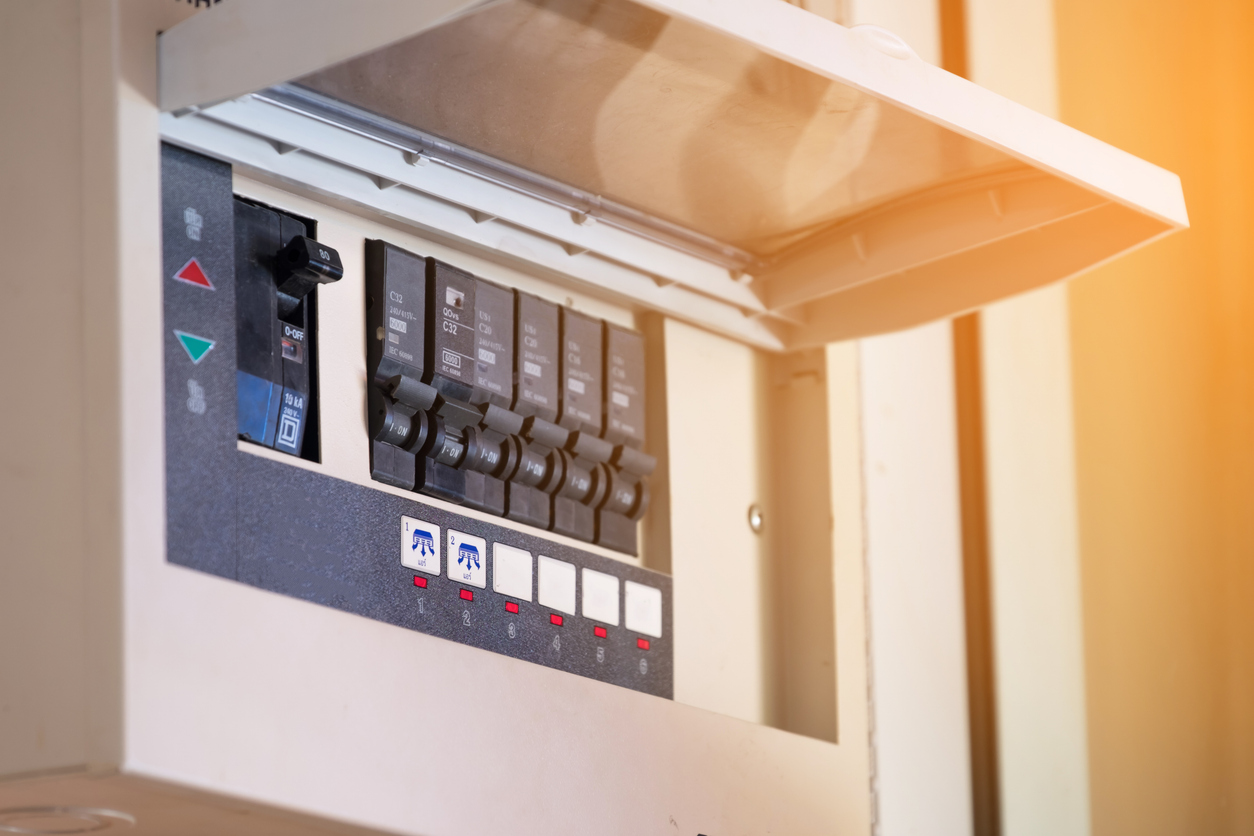
Your RCD (Residual Current Device) safety switch is one of the most important — and most overlooked — components in your electrical system. It continuously monitors for current imbalances and cuts power in milliseconds when something goes wrong, and that split-second response can be the difference between a close call and a serious workplace injury.
CPM Test n Tag and Fire Safety provides professional RCD safety switch testing for businesses across New Zealand’s North Island, backed by technical leadership from Peter Mahon, a Licensed Aeronautical Mechanical Engineer with over 50 years in the electrical industry. We test to confirm your safety switches will actually perform when a fault occurs — not just that they exist.
What Do RCDs Do?
RCDs are engineered to detect electrical leakage and current imbalances, and to cut power before that imbalance can cause harm. When functioning correctly, they protect people from electric shock, prevent equipment damage from electrical faults, and reduce fire risk from electrical malfunctions.
Why the Test Button Isn’t Enough
Pressing the built-in test button on an RCD confirms basic functionality, but it doesn’t verify whether the device will trip at the correct speed during an actual fault. Professional RCD testing uses specialised equipment to simulate real electrical faults and precisely measure response times. If a safety switch reacts too slowly — or fails to trip at all — it isn’t protecting your team, even if the test button says it’s working.
Why Regular RCD Testing Matters
Meeting Your Legal Obligations
Under the Health and Safety at Work Act 2015, businesses have a duty to manage electrical risks in the workplace. RCD testing to AS/NZS 3760:2022 is a standard part of demonstrating that duty, and WorkSafe NZ expects to see evidence of it during an inspection or audit.
Protecting Your Team from Electric Shock
A properly functioning RCD can prevent a fatal electric shock. Most people never think about their safety switches until an emergency happens — regular testing means you’re not finding out whether yours works during that emergency.
Catching Problems Before They Become Expensive
Testing identifies internal damage, wear, or developing faults in an RCD before they lead to a dangerous failure or an unplanned equipment replacement.
Supporting Audits and Insurance Claims
Our detailed compliance reports give you the documentation insurers and auditors expect, without you having to chase it down after the fact.
Types of RCDs We Test
| RCD Type | Application |
| Switchboard RCDs | Main electrical panel protection |
| Portable RCD Units | Mobile equipment safety |
| RCBOs | Combined protection devices |
| RCCBs | Residual current circuit breakers |
| Socket Outlet RCDs | Point-of-use protection |
| RCD Extension Leads | Portable equipment protection |
If you’re not sure which type is installed on your site, our technicians will identify and test whatever is in place.
Who Needs RCD Testing?
Any workplace with electrical circuits benefits from RCD testing, but the risk and testing frequency varies by environment. Construction sites, workshops, and manufacturing facilities typically run higher-risk equipment in harsher conditions and need more frequent testing. Offices, retail premises, and hospitality venues carry lower inherent risk but still have a legal duty to confirm their safety switches work. Businesses using hire equipment or temporary power setups have an added obligation to test before each use. Wherever your business sits, RCD testing is one of the simplest ways to confirm a critical piece of safety equipment is actually doing its job.
RCD Testing and Your Wider Electrical Compliance
RCD testing is closely related to, but distinct from, the broader electrical testing and tagging service covered by AS/NZS 3760:2022. Many businesses arrange RCD testing as part of the same visit as their electrical testing and tagging, so all portable equipment and safety switches are checked in one appointment rather than two. If you haven’t had your equipment tested recently, it’s worth booking both together.
How Often Do RCDs Need Testing?
| Environment Type | Testing Frequency |
| Construction and demolition sites | Every 3 months |
| Workshops, factories, high-risk areas | More frequent testing as required |
| General commercial spaces | Periodic testing based on usage patterns |
| Hire equipment | Before each hire period |
We provide automatic reminder services so you never miss a scheduled test.
Our RCD Testing Process
- Site Assessment and Identification — We locate all RCDs on your premises and assess your electrical system configuration for comprehensive coverage.
- Precision Testing — Using calibrated equipment, we simulate electrical faults and measure response times to confirm each RCD meets strict safety requirements.
- Detailed Reporting and Documentation — You receive clear, comprehensive reports covering every test result, ready for compliance evidence.
- Tagging and Reminders — Tested equipment is tagged with the next due date, and automatic notifications keep you ahead of upcoming testing schedules.
Why Choose CPM Test n Tag and Fire Safety
CPM Test n Tag and Fire Safety was founded by Peter and Callum Mahon to build a franchise system designed specifically for the New Zealand market. Peter’s 50-plus years in the electrical industry and Licensed Aeronautical Mechanical Engineer qualifications mean RCD testing at CPM is backed by genuine technical depth, not just a checklist.
Every technician is EST-trained, police-checked, and first aid certified, and every visit is backed by comprehensive documentation and automatic retesting reminders.
CPM also offers comprehensive fire safety inspection services, including fire extinguisher inspection, fire hose reel testing, and fire blanket inspection, so your electrical and fire safety compliance can be managed through a single, trusted provider.
The Risk of Skipping RCD Testing
Without regular testing, a faulty RCD may fail to trip quickly enough during a real fault, increasing the risk of electric shock, allowing equipment damage to go undetected, and contributing to electrical fire hazards. Missing test records can also complicate safety audits, insurance claims, WorkSafe NZ inspections, and legal liability if an incident does occu
Frequently Asked Questions
Is RCD testing included in electrical testing and tagging, or is it separate?
RCD testing is a distinct compliance requirement to electrical testing and tagging, but the two are often carried out in the same visit. When you book with CPM, let us know you’d like both covered and we’ll scope the visit accordingly.
How much does RCD testing cost?
Pricing depends on how many RCDs you have and whether you’re combining the visit with electrical testing and tagging. We provide free, no-obligation quotes.
Do I need RCD testing if my workplace already passes the test button check?
Yes. The test button only confirms the RCD can be triggered manually, not that it trips within the correct time under a real fault. Professional testing measures actual response time using specialised equipment.
How long does RCD testing take?
It depends on how many RCDs are on your site and how they’re distributed across your premises. We’ll give you a realistic estimate when you book.
What’s the difference between a switchboard RCD and a portable RCD?
A switchboard RCD is installed in your main electrical panel and protects an entire circuit. A portable RCD is a standalone unit plugged in at the point of use, often used with equipment on hire or in temporary setups. We test both.
Is RCD testing a legal requirement?
Under the Health and Safety at Work Act 2015, businesses must manage electrical risks in the workplace, and RCD testing to AS/NZS 3760:2022 is the standard way of demonstrating that safety switches are functioning correctly.
Can I test my own RCDs using the built-in test button?
The test button is a useful quick check between professional tests, but it only confirms the RCD can be manually triggered, not that it trips within the correct time under a real fault. It shouldn’t be relied on as a substitute for professional testing.
What happens if an RCD fails testing?
A failed RCD is clearly identified and flagged as needing replacement or repair before it’s returned to service. We’ll explain what failed and why, so you understand the risk it was posing.
Do I need RCD testing at every business location, or just my main site?
Every site with its own electrical circuits and safety switches needs its own testing, regardless of whether it’s your head office or a smaller satellite location. If you operate across multiple premises, CPM can coordinate testing across all of them.
Areas We Serve
CPM Test n Tag and Fire Safety provides RCD testing across the North Island. Find your region and local coverage on our areas we serve page.
Get a Free Quote for RCD Testing
Don’t wait for an electrical fault to find out whether your safety switches work. Contact CPM Test n Tag and Fire Safety today for a free, no-obligation quote on RCD testing for your business.