
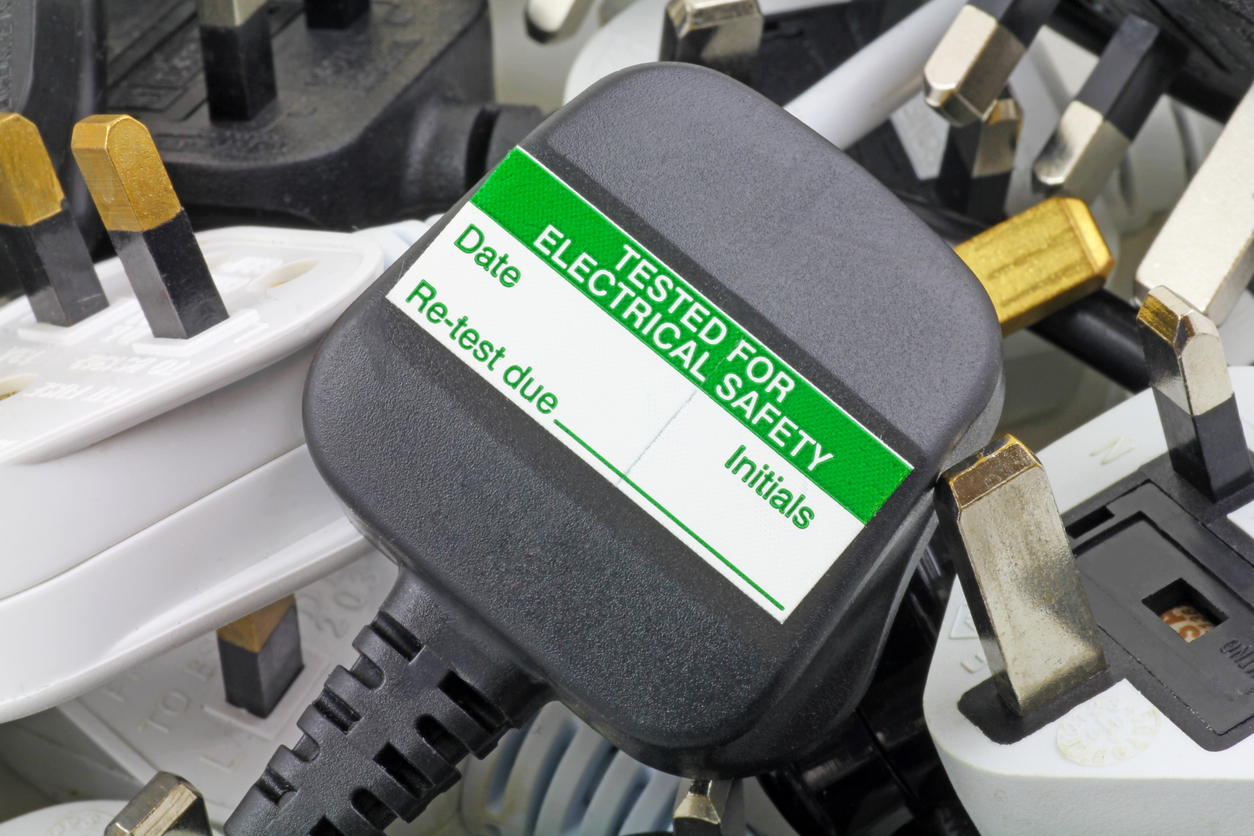
Keep your workplace safe and compliant with professional portable appliance testing from CPM Test n Tag and Fire Safety. Our certified technicians use calibrated PAT testing equipment to assess the safety of your electrical appliances, ensuring they meet AS/NZS 3760 standards and protecting your team from preventable electrical hazards.
What Is Portable Appliance Testing?
Portable appliance testing—commonly called PAT testing—is the systematic process of inspecting and testing electrical appliances to verify they’re safe for continued workplace use. Using specialised portable appliance testers, our qualified technicians conduct both visual inspections and precise electrical safety tests to identify potential hazards before they cause harm.
While not legally mandatory in New Zealand, portable appliance test is recognised as a best practice method for demonstrating compliance with the Health and Safety at Work Act 2015 and managing electrical safety risks in your workplace. It provides documented evidence that you’ve taken reasonable steps to protect your staff and visitors from electrical accidents.
At CPM Test n Tag and Fire Safety, we make the testing process straightforward and minimally disruptive, working around your schedule to keep your business running smoothly while maintaining the highest safety standards.
Why Portable Appliance Testing Matters for Your Business
- Thorough visual inspection of all equipment
- Precision electrical safety testing using calibrated equipment
- Clear, durable tagging showing pass/fail status and next test due date
- Detailed compliance reports for your safety records
- Results you can trust: Passed appliances receive durable identification tags, while failed equipment comes with clear explanations and recommended next steps.
Protect Your Team from Electrical Hazards
Not all electrical faults are visible to the naked eye. While damaged cords, cracked casings, and loose plugs can be spotted during routine checks, hidden internal faults like deteriorating insulation, faulty earth connections, and excessive leakage current require professional testing equipment to detect. Regular testing identifies these hidden dangers before they result in electric shocks, burns, or fires.
Demonstrate Health and Safety Compliance
Under the Health and Safety at Work Act 2015, employers have a legal duty to ensure the safety of workers and others in the workplace. While PAT testing isn’t specifically mandated, it’s a recognised and effective way to demonstrate you’re meeting your obligations. Testing to AS/NZS 3760 standards provides documented proof of your commitment to electrical safety—evidence that becomes invaluable during WorkSafe audits or in the unlikely event of an incident.
Meet Insurance Requirements
Many insurance providers require proof of regular electrical safety testing as part of their coverage conditions. Professional testing delivers the comprehensive documentation insurers expect, potentially protecting your claims and reducing your premiums.
Reduce Operational Disruption
Unexpected equipment failures cause costly downtime and workflow interruptions. Regular PAT testing identifies appliances approaching the end of their safe working life, allowing you to plan replacements strategically rather than dealing with emergency breakdowns.
Equipment We Test
Our portable appliance test service covers any device connected to mains electricity via a plug and flexible cord. This includes:
Workshop and Trade Equipment: Power drills, angle grinders, circular saws, nail guns, sanders, welders, compressors, portable lighting, battery chargers, and other power tools
Office Equipment: Desktop computers, monitors, printers, scanners, shredders, laptops, phone chargers, desk lamps, heaters, and fans
Kitchen and Hospitality Appliances: Microwaves, kettles, toasters, coffee machines, blenders, food processors, commercial ovens, refrigerators, and dishwashers
Extension Equipment: Extension leads, power boards, cord extension sets, and portable RCDs
Specialised Equipment: Floor care equipment (vacuums, polishers, carpet cleaners), audio-visual equipment, medical devices, laboratory equipment, and testing instruments
Hire and Temporary Equipment: Any equipment hired, borrowed, or used temporarily on your premises
Repaired Appliances: Items returning to service after repair or maintenance work
Not sure what needs testing? Our technicians will assess your site and advise on testing requirements specific to your industry and workplace environment.
Our Testing Process
1. Comprehensive Visual Inspection
Every appliance undergoes a thorough visual examination before electrical testing begins. Our technicians check for obvious damage, wear, and safety concerns including damaged or frayed cords, cracked or broken casings, loose or damaged plugs, signs of overheating or burning, missing safety guards or covers, blocked ventilation areas, and any modifications that may compromise safety.
2. Precise Electrical Testing
Using calibrated portable appliance testers maintained to AS/NZS 3760 standards, we conduct specific electrical safety tests based on the appliance class and type. These tests include earth continuity testing to verify proper earthing connections, insulation resistance testing to detect deteriorating or compromised insulation, polarity checks to ensure correct wiring, and earth leakage current measurement to identify excessive current leakage.
3. Clear Tagging and Documentation
Appliances that pass testing receive durable identification tags displaying the test date, next test due date, and our company details. Failed appliances are tagged accordingly and withdrawn from service with clear documentation explaining the failure and recommendations for repair or replacement.
4. Comprehensive Test Reports
You receive detailed compliance documentation including a complete list of all tested appliances, pass/fail status for each item, specific test results and measurements, recommendations for failed or marginal equipment, and suggested re-testing schedules based on your environment.
5. Automatic Reminder System
We maintain your testing records and send automatic reminders when your next testing cycle is due, ensuring you never miss a compliance deadline.
Testing Frequency Guidelines
The AS/NZS 3760 and AS/NZS 3012 standards provide recommended testing intervals based on workplace environment and equipment type. Here’s what applies to most New Zealand businesses:
Construction and Demolition Sites: Portable equipment requires testing every 3 months. Hire equipment must be tested before each hire period and at least once a month if remaining on site. Portable RCDs require testing every 3 months.
Manufacturing, Workshops, and Hostile Environments: Equipment in these environments typically requires testing every 6 to 12 months depending on usage intensity and environmental conditions.
Commercial Offices and Low-Risk Environments: Standard office equipment usually requires testing every 5 years, though more frequent testing may be appropriate for heavily used items.
Hire Equipment: Must be tested before each hire period, plus regular ongoing testing while in hire fleet inventory.
Repaired or Modified Appliances: Require testing before returning to service regardless of previous testing schedule.
Second-Hand or Newly Acquired Equipment: Should be tested before first use in your workplace.
Not sure what frequency applies to your business? Our technicians will assess your workplace environment and recommend appropriate testing intervals that balance safety requirements with operational practicality.
Understanding AS/NZS 3760 Compliance
The AS/NZS 3760 standard provides the framework for in-service safety inspection and testing of electrical equipment in Australia and New Zealand. Created by Standards Australia and Standards New Zealand, this joint standard covers testing methods, testing frequencies, record-keeping requirements, and competency requirements for testers.
While compliance with AS/NZS 3760 isn’t legally mandatory, it’s widely recognised as the appropriate standard for demonstrating you’ve met your health and safety obligations. Following this standard provides a documented, defensible process that shows you’ve taken reasonable steps to ensure electrical safety in your workplace.
Our technicians are trained and experienced in AS/NZS 3760 testing procedures, ensuring your testing meets these recognised standards and delivers the compliance assurance you need.
Why Choose CPM Test n Tag & Fire Safety?
Certified, Experienced Technicians
Our team holds the knowledge, skills, and qualifications required to conduct testing to AS/NZS 3760 standards. We stay current with the latest safety standards and testing techniques to deliver accurate, reliable results you can trust.
Professional-Grade Testing Equipment
We invest in calibrated, regularly maintained portable appliance testers from reputable manufacturers. Our equipment undergoes regular calibration checks to ensure testing accuracy and compliance with technical standards.
Minimal Business Disruption
We understand that workplace testing needs to fit around your operations, not interrupt them. We offer flexible scheduling including after-hours testing, weekend appointments, and planned testing during quiet periods to minimise impact on your productivity.
Clear, Actionable Documentation
Our testing reports are designed for clarity and usefulness. You receive straightforward documentation that satisfies audit requirements while being easy to understand and act upon. No technical jargon, no confusion—just clear information about your equipment status.
100% New Zealand Owned and Operated
As a locally owned business, we understand New Zealand workplace requirements and maintain strong relationships with the businesses we serve across Auckland North, Waikato, Bay of Plenty, and Manawatū–Whanganui regions.
Comprehensive Safety Solutions
Need more than just portable appliance testing? We offer a complete range of electrical testing and tagging services, RCD safety switch testing, and fire safety compliance services—allowing you to manage all your workplace safety requirements through a single, trusted provider.
Frequently Asked Questions
Is portable appliance testing mandatory in New Zealand?
PAT testing isn’t legally mandatory, but it’s a widely recognised best practice for demonstrating compliance with the Health and Safety at Work Act 2015. The Act requires employers to ensure electrical equipment is safe, and portable appliance tests provides a systematic, documented way to meet this obligation.
Who can perform portable appliance testing?
Anyone with the appropriate knowledge, skills, and competence can conduct PAT testing—it doesn’t require a registered electrical worker. However, any repairs or modifications identified through testing must be completed by a registered electrician. Our technicians have the training and experience to conduct testing to AS/NZS 3760 standards while understanding when specialist electrical work is required.
How long does the testing take?
Testing time depends on the number and type of appliances. Individual appliances typically take 2-5 minutes to test, meaning we can process 60-100 items per technician per day. We’ll provide a time estimate when quoting based on your specific requirements.
What happens to appliances that fail testing?
Failed appliances are immediately tagged and withdrawn from service. We provide detailed information about why the item failed and recommendations for next steps—whether repair, replacement, or disposal. Only a registered electrician can repair failed items, after which they’ll need retesting before returning to service.
Can we continue using appliances between test dates?
Yes, but you should implement visual checks and user reporting systems. All equipment users should be trained to check appliances before use and report any damage, unusual behaviour, or safety concerns immediately. PAT testing provides a snapshot of safety at the time of testing, but ongoing vigilance is essential between tests.
Do we need to test battery-powered tools?
Generally no—portable appliance tests applies to equipment connected to mains electricity via a plug and flexible cord. However, battery chargers for these tools should be tested, and battery-powered tools still require regular safety inspections to check for mechanical damage or safety concerns.
Get Started with Professional Portable Appliance Testing
Don’t leave workplace electrical safety to chance. Professional portable appliance testing from CPM Test n Tag and Fire Safety provides the documentation, peace of mind, and regulatory confidence your business needs.
Whether you’re conducting your first safety audit, preparing for a compliance check, or maintaining ongoing testing schedules, our experienced team makes the process simple and stress-free.
Contact CPM Test n Tag and Fire Safety today for:
- Free, no-obligation quotes tailored to your business requirements
- Fast, flexible scheduling to suit your operational needs
- Professional service across Auckland North, Waikato, Bay of Plenty, and Manawatū–Whanganui
- Complete documentation and automatic reminder services
- Expert guidance on testing frequencies and compliance requirements
Call us on 027 241-5500 or contact our team to discuss your testing needs. Our friendly certified technicians are ready to help you maintain a safe, compliant workplace with minimal disruption to your operations.